Blog
What Makes a Greeting Card “Sellable”? Insights for Retailers in 2026

What Makes a Greeting Card “Sellable”? Insights for Retailers in 2026
The greeting card industry has changed significantly over the past few years. What was once considered a low-cost seasonal product has increasingly become part of the broader gifting and lifestyle market. Consumers today are not simply buying cards to deliver messages — they are purchasing products that carry emotional value, visual appeal, and a sense of personal connection.
This shift is particularly visible in premium retail environments, where greeting cards now compete alongside candles, stationery, flowers, souvenirs, and curated gift items. According to data from the Greeting Card Association (GCA), the average American consumer purchases dozens of greeting cards each year, while premium and handmade segments continue growing faster than mass-market categories.
For retailers, this raises an important question: what actually makes a greeting card sell well in 2026?
The answer goes far beyond attractive artwork. Successful greeting cards today combine emotional relevance, strong visual presentation, thoughtful product positioning, and retail practicality. For wholesalers and manufacturers, understanding these dynamics has become essential for developing collections that perform consistently in modern stores.
What Makes a Greeting Card Sellable in Modern Retail?
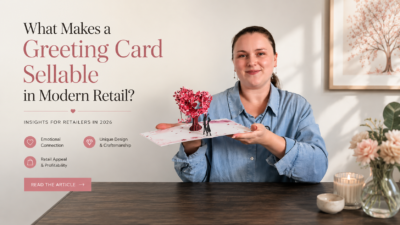
Retail buyers often notice the same pattern across different markets: customers rarely spend several minutes analyzing greeting cards. Most purchasing decisions happen quickly and emotionally.
A customer walking through a gift shop may not initially plan to buy a card. However, when a design triggers a personal memory or emotional reaction, the product suddenly becomes meaningful. This is one of the reasons emotionally driven categories — such as floral designs, family themes, pets, celebrations, and travel-inspired artwork — continue to perform strongly year after year.
Research from Hallmark’s consumer trend reports has repeatedly shown that emotional connection remains one of the strongest drivers behind greeting card purchases, especially in premium gifting environments. Consumers increasingly look for products that feel personal, thoughtful, and memorable rather than purely functional.
This trend has also contributed to the rise of handcrafted and pop up cards. Compared to traditional flat cards, interactive paper engineering creates a more immersive experience, helping the product feel closer to a keepsake or gift item.
Why Visual Presentation Makes a Greeting Card More Sellable

How Color Pop Card displays their pop up card products
Modern retail environments are highly competitive. Independent gift shops, bookstores, museum stores, and lifestyle retailers are all working with limited shelf space while trying to maximize product turnover.
In this environment, visual impact plays a critical role.
Retailers consistently report that products with strong shelf presence generate higher engagement and longer browsing time. Greeting cards that immediately stand out through color, depth, texture, or movement naturally attract more attention than flat, repetitive designs.
This explains why premium pop up cards continue gaining popularity globally. The dimensional structure creates instant visual differentiation, particularly in stores where customers are exposed to hundreds of products simultaneously.
Beyond aesthetics, visual merchandising also affects perceived value. A well-designed greeting card displayed upright with premium packaging often feels significantly more luxurious than standard card formats. In many retail stores, premium greeting cards are now positioned not merely as stationery products, but as small gifts.
Multi-Occasion Products Reduce Inventory Risk for Retailers
One of the most noticeable shifts reflected in current greeting card trends in 2026 is the growing demand for versatile, multi-occasion designs. Retailers today are managing inventory more carefully, particularly independent gift shops and lifestyle stores with limited merchandising space and faster product rotation cycles.
Rather than investing heavily in highly specific seasonal products, many buyers now prioritize greeting cards that sell well across multiple occasions. Designs with broader emotional appeal typically remain relevant for longer periods and are easier to merchandise throughout the year.
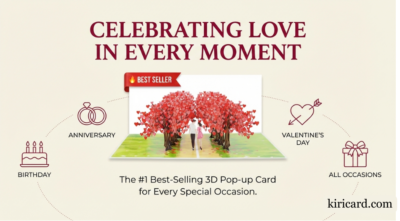
A floral bouquet pop up card, for instance, may work equally well for birthdays, anniversaries, thank-you gifts, Mother’s Day, or general celebrations. This flexibility helps retailers reduce unsold inventory while improving overall product turnover and display efficiency.
The same pattern can be seen in categories such as travel-inspired cards, architectural themes, nature collections, and minimalist luxury designs. These products often perform consistently because they connect with a wider range of gifting situations and customer emotions.
For many retailers, this adaptability is now considered one of the key characteristics of best-selling greeting cards, particularly in premium retail environments where shelf space and product curation play an increasingly important role.
Consumers Are Willing to Pay More for Premium Greeting Cards

While price sensitivity still exists in retail, consumer behavior in recent years shows a clear shift toward products that feel more premium, thoughtful, and emotionally meaningful. This trend is especially visible in the gifting and stationery market, where shoppers increasingly value presentation and experience as much as functionality.
Industry reports from specialty retail and gifting sectors continue to show growth in premium product categories, particularly items that combine craftsmanship with strong visual appeal. In the greeting card industry, this has contributed to rising demand for handcrafted paper art, luxury finishes, and premium pop up cards for gift shops and boutique retailers.
For greeting cards, perceived value is often shaped by subtle but important details. Paper texture, laser-cut precision, dimensional structure, elegant packaging, and refined finishing techniques all influence how customers perceive the product. These elements help transform a greeting card from a simple paper item into part of the gift itself.
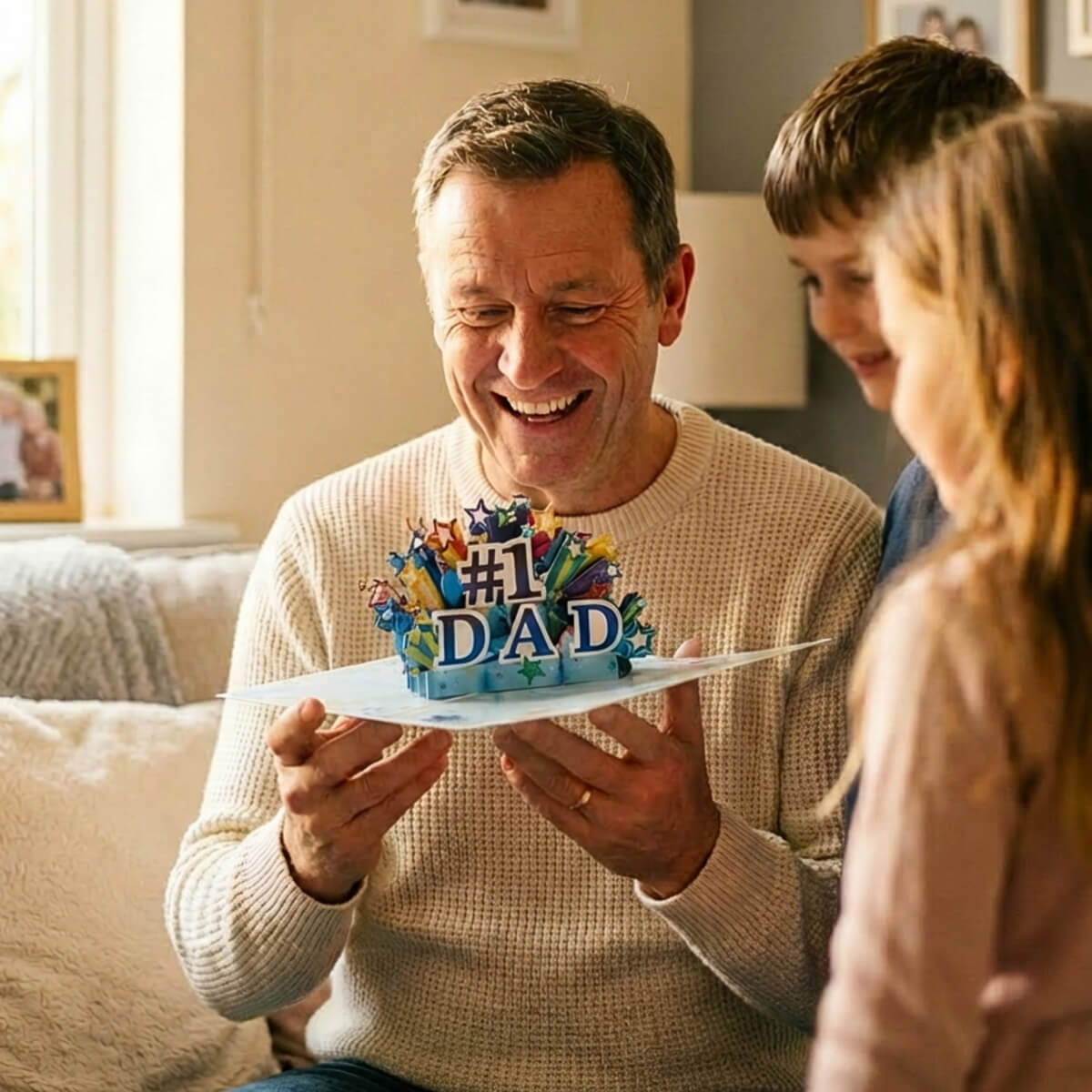
This is one reason why many of today’s best-selling greeting cards are positioned more like premium gifting products rather than traditional stationery. A well-designed pop up card presented in sophisticated packaging can justify a higher retail price because it creates a stronger emotional and visual experience for the customer.
Retailers understand this psychology well. Many independent gift shops and lifestyle stores are now intentionally curating smaller but more premium collections, focusing on products that offer stronger storytelling, better presentation, and higher perceived value instead of competing purely on price.
Retailers Prioritize Products That Are Easy to Merchandise
While design quality remains essential, operational practicality also plays a major role in retail purchasing decisions. Buyers consistently favor products that integrate smoothly into store displays and support efficient day-to-day merchandising.
Greeting cards that are difficult to organize, easily damaged, or visually inconsistent often create operational challenges for retailers. By contrast, display-friendly products typically achieve stronger retail performance because they improve presentation quality and encourage easier customer browsing. Many stores use these merchandising strategies to increase sales with pop up cards and other premium paper gifts within limited retail space.
Consistent sizing, stable structures, and attractive front-facing visuals all contribute to a cleaner and more premium display environment. For retailers curating easy-to-sell greeting card designs, visual consistency is often just as important as the artwork itself.
For pop up cards specifically, engineering quality matters significantly. Retailers prefer products that open smoothly, maintain their structure after repeated handling, and continue looking visually appealing throughout the customer browsing experience.
In premium retail environments, the shopping experience itself directly influences purchasing behavior. Greeting cards that feel polished, interactive, and easy to merchandise often help reinforce a store’s broader brand identity and gifting strategy.
Social Media Has Changed the Greeting Card Market
Another major shift reflected in current retail greeting card trends is the growing influence of social media on gifting behavior.
Consumers increasingly share products online, especially items that create visual surprise, emotional reactions, or memorable unboxing experiences. This trend has strongly benefited categories such as pop up cards, interactive paper gifts, and handcrafted stationery collections.
Retailers are paying close attention to this shift because products with strong presentation value often generate additional organic visibility beyond the physical store itself. Cards that photograph well or create “wow moments” naturally align with today’s social-sharing culture.
This is one reason why many retailers are investing more heavily in best-selling greeting cards that combine visual storytelling with premium presentation rather than focusing solely on traditional messaging.
In many ways, greeting cards are no longer competing only within the stationery category. Increasingly, they are becoming part of the broader gifting, lifestyle, and décor economy — particularly in boutique retail and specialty gift markets.
Reliability Is Part of Product Performance
A greeting card may sell successfully once, but long-term retail success depends heavily on supply consistency and operational reliability.
Today, retailers evaluate suppliers based not only on product design, but also on manufacturing stability, communication quality, and wholesale support. Businesses searching for a reliable pop up card manufacturer are increasingly prioritizing consistent lead times, dependable craftsmanship, and flexible production capabilities that support long-term retail programs.
This is especially important for seasonal launches, museum collections, and international wholesale partnerships, where delays can directly affect merchandising schedules and retail performance.
Manufacturers that understand retail cycles, inventory planning, and product presentation are generally better positioned to support retailers with collections that perform consistently throughout the year. For many stores, strong supplier relationships have become an important part of building successful greeting card collections for retailers in an increasingly competitive market.
Looking for Best-Selling Pop Up Cards for Your Retail Store?
At Kiricard, we work with gift shops, museum stores, bookstores, lifestyle retailers, and international distributors to develop premium pop up card collections designed for modern retail environments.
Our collections focus on strong visual presentation, handcrafted quality, and retail-friendly product design — helping stores offer greeting cards that feel more meaningful, memorable, and giftable.
Whether you are searching for best-selling seasonal collections, easy-to-display retail assortments, or custom-designed pop up cards for your brand, our team can support both wholesale and custom manufacturing projects.
Explore our wholesale collections or contact us to discuss your next retail program.




 Christmas
 Father’s Day
 Valentine’s Day
 Easter
 Thanksgiving
 Halloween
 Birthday
 Wedding
 Anniversary
 Graduation
 Baby Shower
 House Warming
 For Him
 For Her
 For Kids
 Floral
 Animals
 Trees
Trees Architecture
 Vehicle
 LGBTQ+
 Just Because
 Pop-up Box
 Pop-up Stand